
One of the side-effects of being home more often, either due to work from home directives or because of vacation days or weekends, is the inevitable snacking we fall prey to. Many people are aware that constant snacking is not good for your waistline, but did you also know that it can harm your oral health too?
To understand which snacks might be of benefit to your oral health, it's important to understand how food impacts the environment inside your mouth. Every time you eat or drink, you either help or hurt the bacteria that always live in your mouth. The acid generated by the bacteria around and in between your teeth causes the damage that eventually becomes decay and cavities. The Ontario Dental Association explains that these bacteria feed on sugars and starches and make acids that attack tooth enamel. This is why it is important to choose your snacks with this in mind! Read ahead to learn more about how snacks can positively impact your teeth!
Teeth-friendly snacking options
Water
Drinking water will wash food particles, bacteria, and acids out of your mouth so drinking it frequently throughout the day is good for oral health! In addition, cucumbers, melons, celery, and pears all have a high water content which is good for teeth.
Crunch
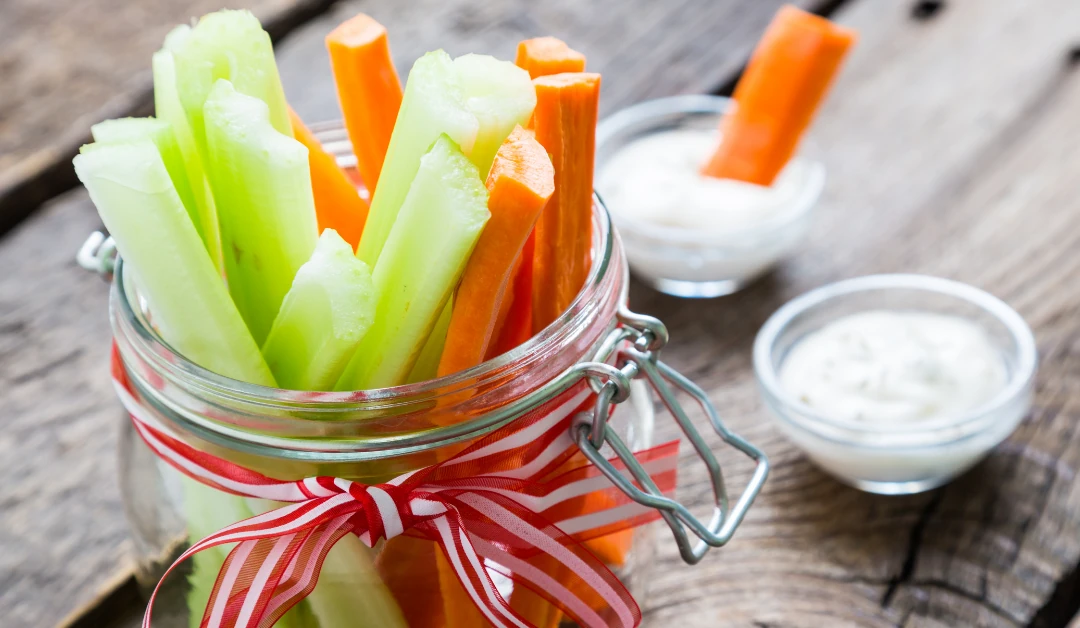
The crunchy texture of celery, apples, and carrots all serve to provide an extra tooth cleaning—as your teeth crunch the foods, they act as a brush sweeping bacteria off your teeth! Frozen fruits like grapes, mandarin orange slices, banana pieces or melon balls all provide crunch without an increase in sugar content. Some frozen treats like natural fruit popsicles are also good options.
Mineral-rich and Anti-bacterial
Foods that are rich in phosphorus and calcium can help to repair our tooth enamel by creating an appropriate pH balance in our mouth with tooth-strengthening compounds. Cheese, milk and yogurt as well as plain, unsweetened nuts are all excellent sources of calcium and phosphorus for teeth health. Yogurt provides extra protection because it has antimicrobial properties. These foods also prompt the flow of saliva which is positive for a healthy mouth. Be careful with honey and fruit juice, though. The Canadian Dental Association notes that honey is a type of sugar and suggests avoiding sugar-sweetened drinks, including fruit juices.
Stimulate Saliva
Tart foods stimulate saliva. So, drinks such as lemonade or citrus fruits MIGHT be considered a good option, but the acidity has its downside. Instead, try chewing Xylitol-based gums and mints. The Canadian Dental Association says sugar-free gum increases saliva flow and can help lower the risk of tooth decay, and xylitol gum can be especially helpful. Choosing tart flavours such as lemon will increase the production of saliva in your mouth, helping to wash away harmful acids.
Snacks with negative impact
Food's high in sugar increase the bacteria in your mouth so it's best to avoid candies, pastries, mints, gummies, colas, or juices as they contribute to tooth decay. Other "not so obvious" foods to avoid are sticky or chewy like raisins, granola bars, or oatmeal are difficult for saliva to wash away and so they stick to teeth and contribute to bacterial growth. Does this mean you can't ever eat sweets? Absolutely not! Just be sure to enjoy sweets with a meal rather than as a snack, as the Canadian Dental Association suggests, since more saliva is generated then, or wash it away with water. You can also brush your teeth after sticky and sweet snacks to maintain mouth health!
Additional Tooth-friendly Snacking Tips
- So, if you find yourself wanting to snack, here are some tips and tricks to keep your pearly whites shiny and clean!
- First, brush your teeth twice daily (once in the morning and before bed) and floss at least once a day (preferably before bed).
- Use a straw for sugary or carbonated drinks and chew sugar-free or Xylitol based gum after meals to increase the production of saliva.
- Having a glass of milk or piece of cheese can balance the pH of your mouth to decrease the likelihood of decay after sugary snacks.
- Try to choose snacks that are sugar-free or unsweetened if possible.
- Finally, avoid snacking right before bed when the saliva levels in your mouth tend to be lower.
Snacking is inevitable. After school/work during the week and weekends already provided enough opportunities but now being home for lockdowns or extended vacations makes the temptation even greater.
This doesn't mean your teeth have to suffer! You can make snack choices that keep you full without damaging your oral health when you choose water-based foods, contain minerals and nutrients for oral health, and are crunchy. You can also drink water, chew gum, brush and floss regularly to keep a healthy mouth despite your snacks!
Reach out to your Cambridge Dentist for more tips and tricks to keep your mouth healthy and clean no matter what your snacking habits are! We look forward to seeing your smile in our offices soon!
Sources
- Ontario Dental Association. Cavities and Tooth Decay.
- Canadian Dental Association. Nutrition.
- Canadian Dental Association. Sugar-free Chewing Gum.
This article is general information, not personal dental advice. Book an exam so your dentist can assess your situation.